50-day return policy⌄
- Return within 50 days of purchase.
- Full refund for unopened, sealed, unactivated items.
- Opened products may still qualify if unused.
- For orders over £100, we can arrange your return via DPD or in-person drop-off.
Next-day delivery — order before 3pm⌄
- Order before 3pm Mon–Fri for next-working-day delivery (free over £99).
- UK Saturday delivery available on orders placed before 3pm Friday.
- After 3pm Friday — dispatched Monday.
- Some UK regions may need 2–3 working days.
Discounted options with main purchase⌄
- Bundle pricing on accessories, spares and training when bought together.
- Reduced rates on add-ons selected at checkout.
- Ask us for a tailored quote on multi-unit or fleet orders.
DJI Avata 2 Fly Smart Combo (3 Batteries)
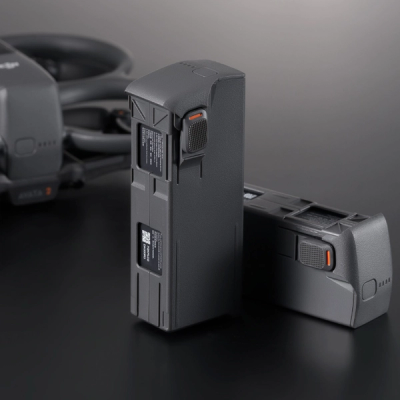
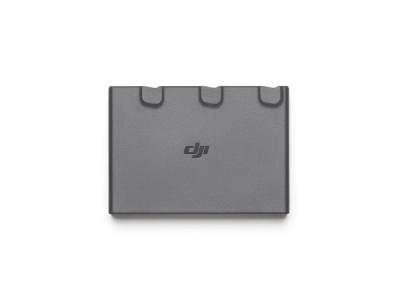
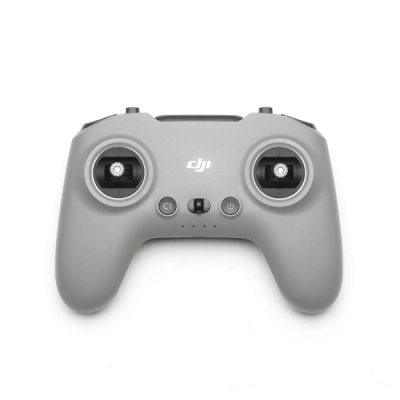
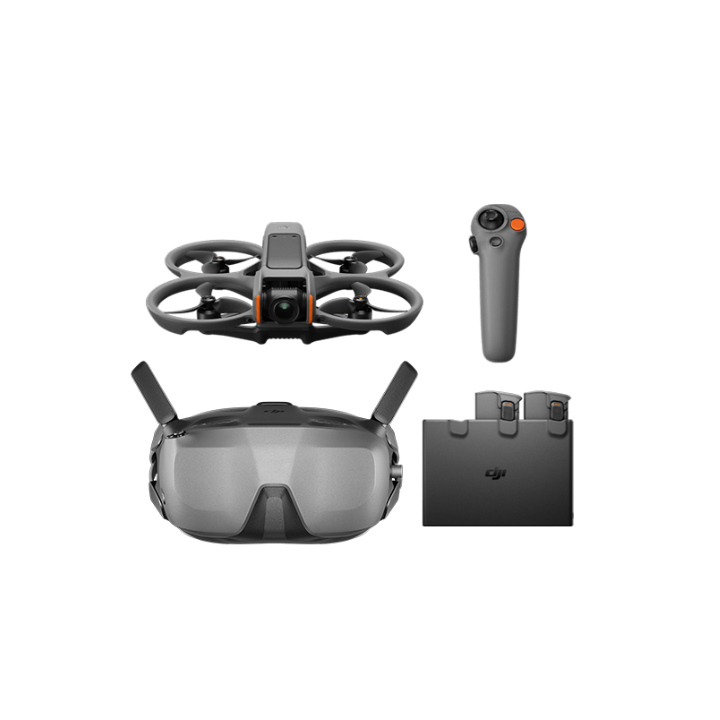
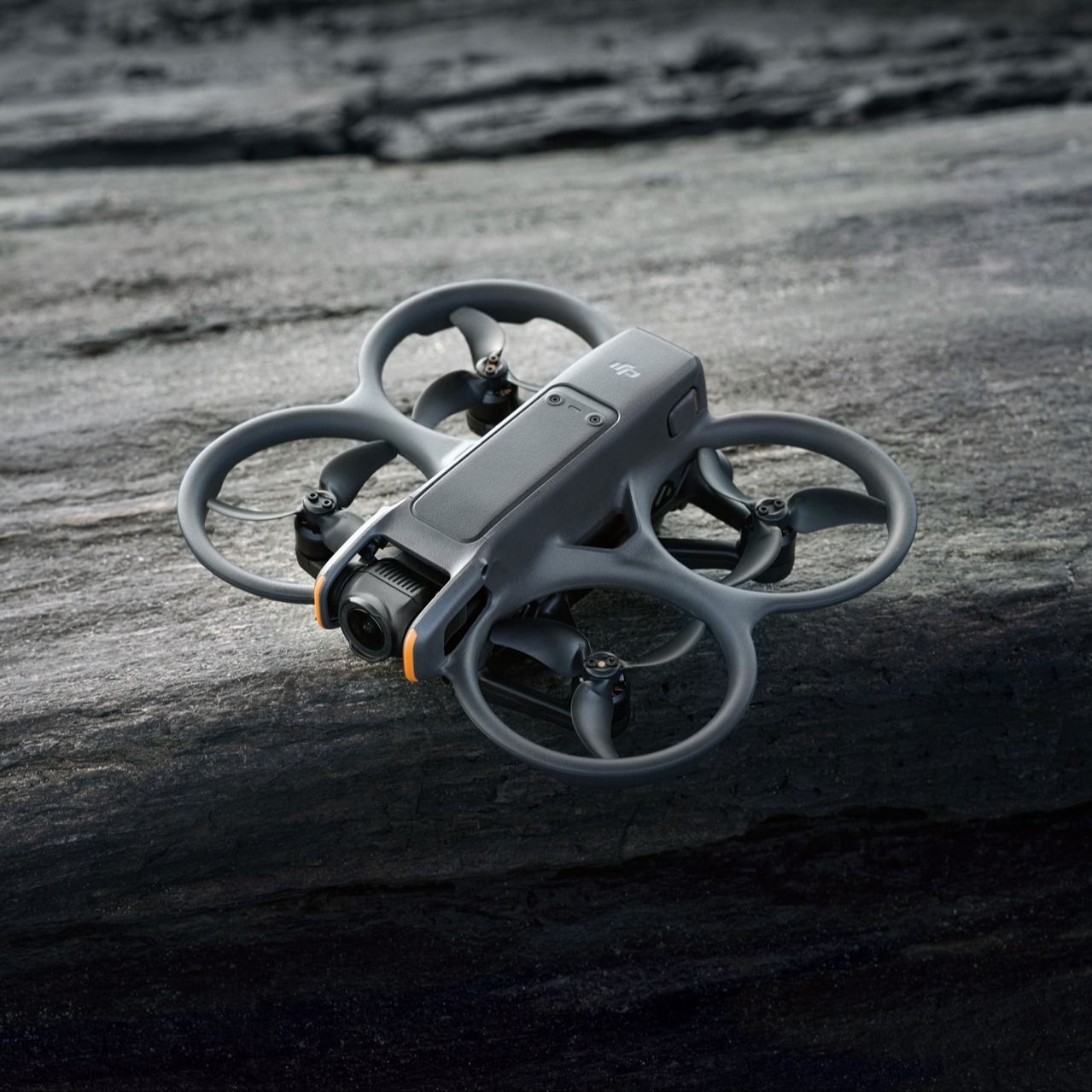
The DJI Avata 2 is a lightweight FPV drone for immersive flying and cinewhoop content. This Fly Smart Combo comes with DJI Goggles N3, the RC Motion 3 controller and three flight batteries for longer time in the air.
heliguy support & optional extras
Under 2 kg — an A2 CofC lets you fly as close as 30 m (or 5 m in low-speed mode) to uninvolved people.
Product dossier
Immersive FPV flights
DJI Avata 2 Key Features
4K/60fps HDR video, 4K/100fps slow-motion video, and 155° ultra-wide-angle FOV.
Upgraded 1/1.3-inch sensor.
Conduct stunning acrobatics - front/back flips, sideways rolls, and drifts.
23 minutes of flight time.
Built-in propeller guards to increase flight safety.
Turtle Mode flips Avata 2 back into the take-off position.
Full specifications
Manuals & documents
Frequently asked questions
Does the DJI Avata 2 camera support electronic stabilisation? ⌄
The DJI Avata 2 does support electronic stabilisation. It offers three selectable modes: RockSteady, HorizonSteady, and Off. With stabilization turned off, footage captured with the wide-angle view supports Gyroflow offline stabilisation. The default electronic stabilisation mode for Avata 2 out of the box is RockSteady. Users can adjust the settings via the Settings > Camera > EIS in the goggles menu.
How do I transfer files from DJI Avata 2 to a smartphone / computer? ⌄
Transferring files to a phone: Avata 2 allows for Wi-Fi transfer to phones via the DJI Fly app, with download rates up to 30 MB/s*. Power on the drone, open the DJI Fly app and use the QuickTransfer function by following the instructions. Keep the drone and phone within 2 meters with no obstructions for the best transfer experience. Transferring files to a computer: Connect the drone to your computer with a USB cable without powering on Avata 2. When using a memory card, insert the card directly into the computer. *Measured in a laboratory environment with little interference in countries regions that support both 2.4GHz. Download speeds may vary depending on the actual conditions.
What precautions should be taken when using DJI Avata 2 in other countries or regions?⌄
When using DJI Avata 2 in other countries or regions, make sure that you check and follow local radio frequency laws and regulations. Connect the aircraft to the DJI Fly app, and the software will automatically tune the system settings of DJI Avata 2 according to local laws and regulations.
Compared to the O3 video transmission of DJI Avata, what are the improvements of the O4 video transmission of DJI Avata 2?⌄
There are various improvements of the O4 video transmission system, it utilises a new hardware solution. The aircraft antennas have upgraded from two (2T2R) to four (2T4R). A new frequency band, extending the maximum transmission distance of the high-definition live feed to 13 km*, with up to 60 MHz in communication bandwidth. The maximum transmission bitrate has been increased to 60Mbps. When paired with DJI Goggles 3, the latency is as low as 24 ms for 1080p/100fps live feeds and as low as 40 ms for 1080p/60fps live feeds. * Measured in an unobstructed outdoor environment free of interference. The above data shows the farthest communication range for one-way, non-return flights under FCC standards and is for reference only. Always pay attention to RTH reminders on the goggles screen during your flight.
Does this product support HDMI output or HDMI input?⌄
DJI Goggles N3 does not have an HDMI port and, therefore, does not support direct HDMI input or output. However, if you have a DJI RC Pro, you can use it to relay the signal. Connect Goggles N3 to the RC Pro via a USB-C to USB-C data cable, and connect the RC Pro to another display device via an HDMI data cable. Then, enable the FPV Live feature in the Settings > Display menu on the RC Pro. Open the DJI Fly app, and you can then get live feeds from Goggles N3 on the connected display device via the RC Pro.
Which DJI Goggles are best for me? DJI Goggles N3 Vs Goggles 3⌄
Check out our comparison table to learn which DJI Goggles are best for you:
| Feature | DJI Goggles N3 | DJI Goggles 3 |
|---|---|---|
| Screen | One 1080p Ultra-Wide LCD Screen FOV: 54° | Dual Micro-OLED Screens FOV: 44° |
| Wearability with Glasses | Ready to Use With Glasses On | Adjustable Diopters -6.0 D to +2.0 D |
| Real View | - | Real View PiP |
| Live Feed Sharing | USB-C Wired | Wi-Fi Wireless/USB-C Wired |
| Max Operating Time | Integrated Battery Design 2.7-Hour Max Operating Time | Integrated Battery Design 3-Hour Max Operating Time |
| DJI O4 Video Transmission | Max Transmission Bitrate: 60 Mbps | Max Transmission Bitrate: 60 Mbps (Avata 2) |
| Compatible Models | DJI Neo DJI Avata 2 | DJI Neo DJI Avata 2 DJI Air 3 DJI Mini 4 Pro |